

4 Popular Nutrition Myths
Every day, we encounter health advice from various scientific fields, reflecting our desire to live longer and enjoy more healthy years. This advice spans topics like nutrition, exercise, mindfulness, stress management, happiness, and intelligence. However, I've noticed a troubling trend in nutrition: the rise of junk science and poor advice. While I could speculate on the reasons—such as our daily need to eat or the control we have over our diets—that's not the focus of today's article.
If you’ve followed my work or talked health topics with me, you know I’m skeptical of health claims without solid evidence and rely on well-researched data to form opinions. While most people support this approach, many lack the scientific literacy to judge good research from bad. It took me a graduate-level course in "Research Methods" to understand concepts like sample size, P-value, and H-index to determine a study’s quality. I don’t fault the public for not diving into this dry but essential topic. Let me do the work of separating the wheat from the chaff (please clap for my nutrition pun) and discuss 4 common nutrition myths that really steam my beans (don't clap for that one).
Seed Oils are Bad
You may have heard recently that seed oils are bad for you, even toxic! They're being blamed for conditions such as obesity, diabetes, heart disease, and more. What are seed oils? They're vegetable oils made from crushing the seeds of certain plants and are often used for cooking, such as canola, corn, soybean, sunflower, cottonseed, safflower, grapeseed, and rice brain oils. The ones I just listed are often dubbed the "hateful eight" by social media influencers, named for supposedly being the most harmful of the seed oils. Olive oil and avocado oil are not considered seed oils because they are made from other parts of the plants besides the seed.
Why the bad press lately? Seed oils are widely used in processed and fried foods, which are often calorie-dense and nutrient-poor. Critics argue that seed oils are a marker of unhealthy dietary patterns rather than inherently harmful themselves. While it’s true that packaged snacks and french fries are unhealthy, they also tend to be high in refined carbohydrates, sodium, and sugar. These other components, not the seed oils themselves, are the culprit behind weight gain and other negative health outcomes.
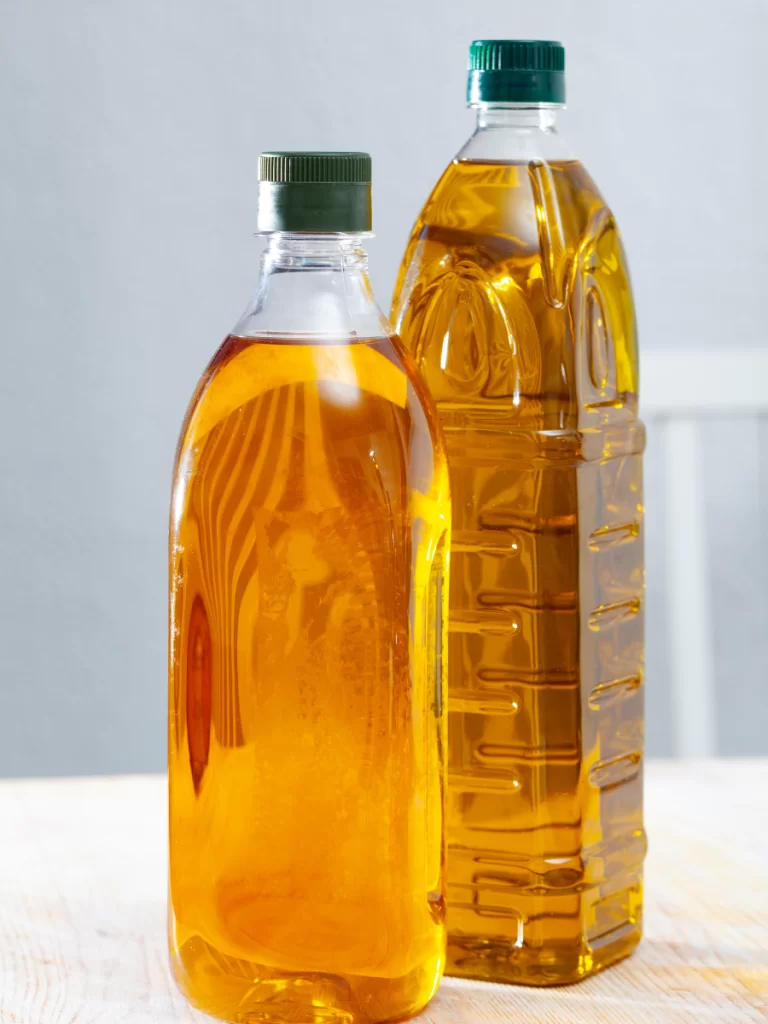
Despite concerns raised by some groups, seed oils are not inherently "bad" for most people. Here’s why:
Rich Source of Essential Fatty Acids: Seed oils, like soybean, sunflower, and canola oil, contain omega-6 fatty acids, which are essential for bodily functions such as cell structure, immune response, and brain health. The body cannot produce these on its own, so they must come from the diet.
Lack of Conclusive Evidence: The claim that omega-6 fatty acids cause inflammation is based on theoretical concerns rather than robust evidence. Research shows that omega-6s do not inherently promote inflammation when consumed as part of a balanced diet.
High Nutritional Value: Many seed oils are good sources of vitamin E, a powerful antioxidant that protects cells from oxidative damage. For example: Sunflower oil is particularly rich in vitamin E. Canola oil has one of the lowest levels of saturated fat among oils and contains a moderate amount of omega-3 fatty acids.
Safe in Moderate Use: When used appropriately (e.g., for cooking at recommended temperatures), seed oils are stable and unlikely to produce significant harmful compounds. Modern refining processes ensure that oils meet safety standards for consumption.
Supported by Dietary Guidelines: Health organizations, such as the American Heart Association, advocate for using vegetable oils, including seed oils, as part of a heart-healthy diet. Replacing saturated fats (like butter or lard) with polyunsaturated fats found in seed oils can reduce LDL ("bad") cholesterol levels.
Anti-Inflammatory Effects: Some omega-6 fatty acids, like linoleic acid (found in seed oils), are metabolized into compounds that may have anti-inflammatory effects under certain conditions.
Concerns about seed oils often focus on excessive consumption, oxidation, or their use in processed foods. In reality, the harm comes from overconsumption of ultra-processed foods or using oils improperly (e.g., for deep frying at very high temperatures), not from the oils themselves. Bottom line: In the context of a balanced, diverse diet, seed oils can be a healthy choice. Moderation and variety are key to reaping their benefits without potential downsides.
Gluten is Bad
The idea that gluten is bad largely stems from a combination of medical concerns, diet trends, and misinformation. Here's an overview:
Medical Reasons: People with celiac disease (about 1% of the population) cannot tolerate gluten, a protein found in wheat, barley, and rye. For them, consuming gluten triggers an immune response that damages the small intestine, leading to symptoms like diarrhea, weight loss, and malnutrition. Some people without celiac disease experience symptoms like bloating, fatigue, or headaches after eating gluten. While less understood, this condition, called Non-Celiac Gluten Sensitivity (NCGS) contributes to the perception that gluten is harmful. Some individuals are allergic to wheat, causing reactions ranging from mild (hives) to severe (anaphylaxis). Most people do not have a wheat allergy and this can be tested for.
Gluten-Free Movement: Over the past two decades, gluten-free diets have gained popularity, often promoted by celebrities, fitness influencers, and diet books. This led many to associate "gluten-free" with "healthy," even for those without medical reasons to avoid gluten. Diets that exclude grains entirely, such as the Paleo diet, further reinforce the notion that gluten-containing foods are unhealthy.
Generalization: People sometimes generalize the health needs of specific groups (e.g., those with celiac disease) to the broader population. Many gluten-containing products, like white bread and pastries, are highly processed. The negative perception of processed foods can lead to a misconception that gluten itself is unhealthy. Some individuals may feel better after eliminating gluten because they are paying closer attention to their overall diet or because they experience a placebo effect.
Real Benefits of Avoiding Gluten for Some: For people with IBS or other gut sensitivities, avoiding gluten might inadvertently reduce FODMAPs (certain types of fermentable carbs), improving symptoms.
The Reality: For the majority of people, gluten is not harmful and is a good source of nutrients like fiber and B vitamins when consumed as part of whole grains. However, its demonization has led many to unnecessarily avoid it, sometimes missing out on important nutrients. If you're considering a gluten-free diet, it's a good idea to consult a healthcare professional or dietitian to ensure it's appropriate and balanced.
You Should Drink 8 Glasses of Water a Day
The belief that people need to drink 8 glasses of water a day (or about 2 liters) is a long-standing health recommendation, but it's not entirely based on scientific evidence. Here's why this idea persists:
1945 U.S. Food and Nutrition Board Recommendation: The origin can be traced to a 1945 guideline stating that adults should consume about 2.5 liters (84 ounces) of water daily. However, the guideline also mentioned that much of this water comes from food and beverages—not just plain water. This critical detail was often overlooked. Over decades, this nuanced advice was simplified to "drink 8 glasses of water daily," ignoring water intake from other sources. The "8 glasses" rule is easy to remember and communicate, making it popular in health campaigns. It was intended as a general guideline, not a strict requirement, but its simplicity led people to treat it as a universal truth.
Health and Wellness Marketing: The bottled water industry played a role in promoting the idea that drinking more water is inherently healthier, encouraging people to drink more than they may actually need. Wellness trends emphasize hydration as a key to better skin, weight loss, and improved energy, perpetuating the idea of drinking large amounts of water.
Misconceptions About Thirst: Some people believe that thirst is not a reliable indicator of hydration, leading to the idea that you should drink proactively, even when you're not thirsty. The "8 glasses" rule is overly simplistic because hydration needs depend on body size and composition, activity levels, climate and temperature, and diet (foods like fruits and vegetables contribute water).
The Reality: Most people can rely on their thirst to determine when and how much to drink. Foods, coffee, tea, and other beverages also contribute significantly to daily water intake. Overhydration (drinking too much water) can lead to hyponatremia (low sodium levels), which can be dangerous, although this is relatively uncommon and hard to do. The best approach is to drink water when you're thirsty and pay attention to your body's signals, such as the color of your urine (pale yellow typically indicates good hydration). For specific needs (e.g., athletes or those in hot climates), a healthcare professional can offer tailored advice.
Coffee/Caffeine Dehydrates You
No, coffee is not dehydrating for most people. While it's true that caffeine, a key component of coffee, has mild diuretic properties (meaning it can increase urine production), the overall hydration effect of coffee outweighs this diuretic effect in typical consumption.
Caffeine's Diuretic Effect is Mild: Studies have shown that the diuretic effect of caffeine is relatively weak, especially in people who consume coffee regularly. For habitual coffee drinkers, the body adapts, reducing any significant loss of fluids. Coffee is primarily water, so it still provides hydration. The fluids you consume through coffee help keep your body hydrated, just like water.
Studies on Coffee and Hydration: Research comparing coffee to water found no significant differences in hydration status when consumed in moderate amounts (3-4 cups per day). Drinking coffee does not lead to dehydration unless consumed in extremely high quantities (e.g., more than 500 mg of caffeine or about 5 cups of coffee in one sitting).
Practical Considerations: If you're drinking coffee alongside a generally low water intake, you might still feel dehydrated, but that's likely due to an overall lack of fluids, not the coffee itself. Pay attention to signs of dehydration, such as dark urine, dry mouth, or fatigue, and adjust your fluid intake accordingly.
Bottom Line: For most people, coffee is a net positive for hydration. If you enjoy coffee, there's no need to worry about it being dehydrating, especially when consumed in moderation. If you're concerned about hydration, simply balance coffee with water or other fluids throughout the day.
Sources
Seed Oils
- https://hsph.harvard.edu/news/scientists-debunk-seed-oil-health-risks/
- https://abcnews.go.com/GMA/Food/seed-oils-myths-debunked-recommendations/story?id=116486235
- https://www.heart.org/en/news/2024/08/20/theres-no-reason-to-avoid-seed-oils-and-plenty-of-reasons-to-eat-them
- https://www.popsci.com/health/are-seed-oils-bad-for-you/
- https://www.foodandwine.com/are-seed-oils-unhealthy-8756000
Gluten
- https://www.urmc.rochester.edu/news/publications/health-matters/grains-of-truth-getting-the-goods-on-gluten
- https://www.hopkinsmedicine.org/health/wellness-and-prevention/what-is-gluten-and-what-does-it-do
- https://www.health.harvard.edu/blog/to-gluten-or-not-to-gluten-2016102410521
Water
- https://www.healthline.com/nutrition/8-glasses-of-water-per-day
- https://www.tuftsmedicine.org/about-us/news/medical-myths-drink-8-glasses-water-each-day
- https://www.mayoclinic.org/healthy-lifestyle/nutrition-and-healthy-eating/in-depth/water/art-20044256
