Women playing soccer

Why Do Women Get More Sports Injuries?

In the realm of sports, a persistent and intriguing disparity exists: females tend to sustain more injuries than their male counterparts. This phenomenon spans various sports and injury types, raising questions about physiological, biomechanical, and environmental factors. Understanding why females experience higher injury rates, which injuries are most common, which sports are implicated, and the contributing factors is crucial for developing effective prevention strategies and ensuring equitable athletic opportunities. This article delves into these aspects, providing a comprehensive analysis grounded…
Read More

The Truth About Piriformis Syndrome

The Truth About Piriformis Syndrome

I've never had a true case of piriformis syndrome in my office. For those of you who have been previously diagnosed with this condition, this is going to be controversial. Now, I can't say with absolute certainty that I've never had a case because I've treated a lot of patients over the years. Perhaps I am forgetting one. But, this condition is rare and overdiagnosed and I can't think of a single one in recent memory. How can this be?…

Read More

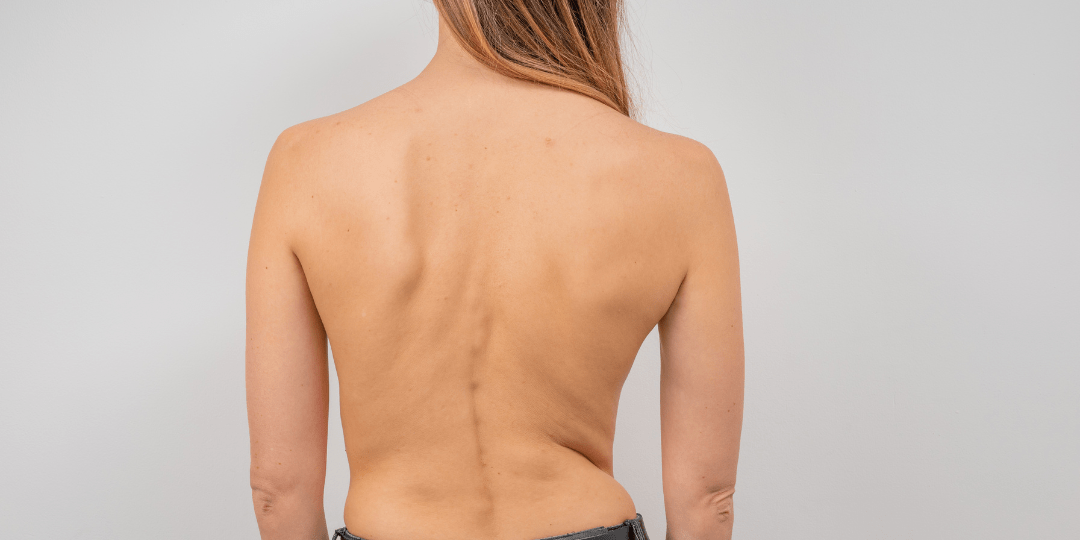
Woman with scoliosis

What’s the Deal with Scoliosis?

Some of you may remember an experience many of us had in middle school. One day, you got sent to the locker room or gymnasium and a nurse told you to bend over and touch your toes. You just experienced the scoliosis screen, known to doctors as Adam's test. This test is still being done today, however most likely performed by your pediatrician. Some of you were told that you did, in fact, have scoliosis. And most of you don't…

Read More

Wooden figure fallen on the ground

One Rep Max Living

If you've been a patient in my office, you know that I make rehabilitative exercise a part of every treatment plan for every patient. Exercise is the number one word that reappears over and over again in the research for improving musculoskeletal disorders. As someone who practices exclusively evidenced-based treatment, that means I'd be doing you a disservice if I didn't include it. That is, if the goal is to reduce pain and improve functional movement as quickly as possible.…

Read More

How to Stop Chronic Pain for Good

Most people originally come to us because they want to stop feeling pain. That's their main goal. Others want more. They want to do things like play golf better, lift their grand-kids, exercise without hurting, or go on hikes during vacations. We can help both types of people in our office: those who just want to stop hurting and those who want to function or perform better overall. But, I think many people who only want to stop the pain…

Read More

Man feeling dizzy and holding head in hands

Treat Vertigo, Improve Balance

Did you know that chiropractors are able to help relieve certain types of dizziness and vertigo? Often, relief is almost instant following treatment. Research also shows that in the long term may also help improve balance. However, it's important to let a professional examine you first to determine if your symptoms may be caused by something more serious. It's the first step to receiving what the appropriate treatment is for your condition. Let's take a look at the different types…

Read More

Chiropractic Research of 2022

Best Chiropractic Research of 2022

I've compiled a list of my favorite articles about chiropractic research in 2022. This covers topics such as opioids, mattress recommendations, best practices for treating low back pain, and more. I think you'll learn something interesting here, enjoy! 1. Chiropractic Patients Use Fewer Opioids "In this study [of 40,929 low back pain patients], we found that receipt of chiropractic care, though not physical therapy, may have disrupted the need for opioids and, in particular, long-term opioid use in newly diagnosed…

Read More

Woman stretching on a yoga mat

Healthspan, Not Lifespan

A quarter of Americans are completely sedentary. They do no physical activity at all. The number of physically inactive American adults rises as people get older, with that number jumping to 26% for adults aged 50 to 64, 27% for those aged 65 to 74, and 35% for people aged 75 years and older. However, this trend is driven by the myth that it's natural for your physical activity to decrease as we age. Sport is for the young, and…

Read More

Sitting at work

How Much Activity Overcomes a Day of Sitting?

Do you sit all day at a computer and then spend hours on the sofa? You're putting your health at risk. Research links excessive sitting to higher risk of diabetes and heart disease. In addition, sitting can lead to tight hips, neck and back pain, and even spinal problems. There is also evidence that suggests that prolonged sitting can lead to cognitive decline, depression, and anxiety. This is due to the decrease in physical activity, which can lead to decreased…

Read More

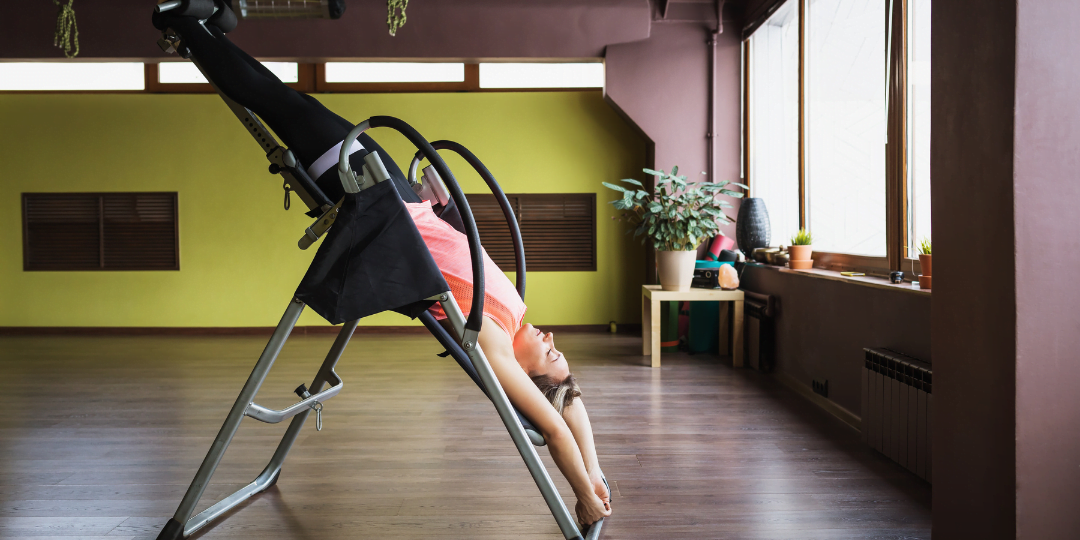
Woman hanging from inversion table in a gym

Are Inversion Tables Safe to Use?

"So Doc, I was at work yesterday and my buddy told me he got an inversion table. He's been using it every night and says his back is feeling great! What's the deal? Are these things safe to use?" Lots more patients are asking about inversion tables and if I think it can help them. If you have no idea what I'm talking about, don't worry. We're going to dive into what exactly inversion tables are, what they are used…

Read More

We are closed until August 17! See you then!

X